Telecom Data Integrity and Control Division 9085889208 9124704053 9209064600 4028441300 8435695045 5052530594

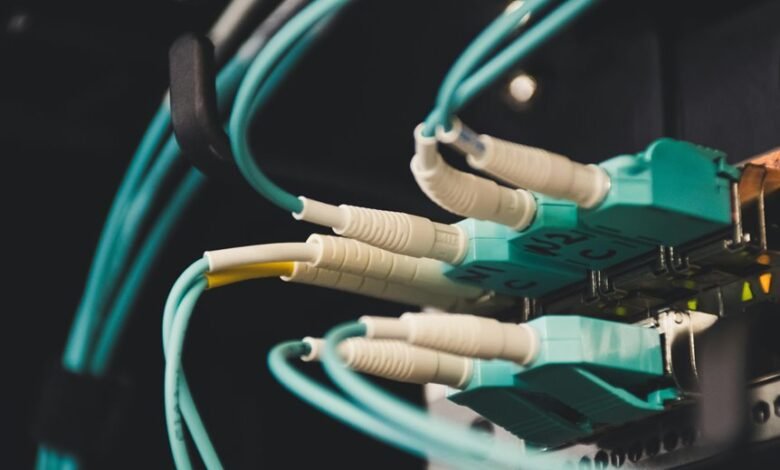
The telecom industry is increasingly reliant on data integrity to drive operational success and customer trust. You’re likely aware of the challenges that arise from inaccurate data, which can lead to significant setbacks. Understanding the key strategies and innovative technologies used by the Telecom Data Integrity and Control Division can provide valuable insights into maintaining robust data governance. What specific measures do you think are most effective in ensuring data reliability?
The Importance of Data Integrity in Telecommunications
While you mightn’t always think about it, data integrity plays a crucial role in telecommunications. Ensuring data accuracy is vital for maintaining trust and operational efficiency.
Key Strategies for Data Management and Security
Maintaining data integrity is just the beginning; effective data management and security are imperative for telecom organizations.
Focus on robust data governance frameworks that define roles and responsibilities. Conduct regular risk assessments to identify vulnerabilities and mitigate potential threats.
Implementing these strategies not only safeguards your data but also empowers your organization, enabling you to operate freely in a competitive landscape.
Innovative Technologies Supporting Data Control
As telecom organizations face increasing data challenges, leveraging innovative technologies becomes essential for enhancing data control.
Blockchain applications offer transparency and security, ensuring data integrity across networks.
Meanwhile, AI analytics empower you to derive actionable insights from vast datasets, streamlining decision-making processes.
Insights From the Telecom Data Integrity Team
Understanding the challenges in data integrity is crucial for telecom organizations aiming to enhance their operational efficiency.
The Telecom Data Integrity Team emphasizes robust data validation processes and stringent quality assurance measures. By addressing inconsistencies and ensuring accurate data flow, you can bolster decision-making and improve service delivery.
Implementing these insights empowers your organization, fostering a culture of excellence and trust in data management.
Conclusion
In conclusion, maintaining data integrity in telecommunications is vital for operational success and regulatory compliance. With over 80% of telecom executives citing data quality as a primary concern, it’s clear that robust data governance and innovative technologies are essential. By embracing AI analytics and blockchain, you can enhance data reliability and security. Ultimately, prioritizing these strategies not only boosts customer satisfaction but also positions your organization to thrive in a competitive landscape.