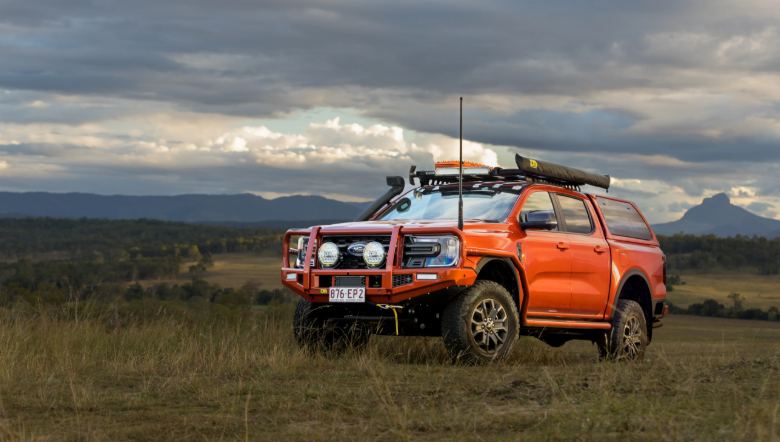
For anyone who enjoys off-road driving or camping in remote areas, reliable power is more than a luxury. It is a necessity. Having the right 4×4 dual battery Tweed Heads setup ensures your vehicle runs smoothly while providing the energy needed for all your accessories and gear. From powering fridges and lighting to keeping navigation tools and communication devices charged, a well-installed dual battery system keeps your adventures stress-free and safe.
In Tweed Heads, where outdoor exploration and weekend getaways are part of the lifestyle, investing in a dependable 4×4 dual battery Tweed Heads system can make a huge difference in both performance and comfort. Understanding how these systems work, what components are involved, and how to maintain them will help you get the most out of every off-road journey.
What Is a Dual Battery System?
A dual battery setup consists of two separate batteries installed in a vehicle. The primary battery, also known as the starter battery, powers essential vehicle functions like ignition, lights, and the stereo. The secondary battery, often referred to as the auxiliary battery, powers accessories and equipment that you might use while camping or touring.
The key advantage of this system is that it isolates the main battery from the auxiliary one. This means you can use your secondary battery to run electrical devices when the engine is off without draining the main battery needed to start your vehicle. Once you start driving again, both batteries recharge automatically through the alternator or via a solar system, depending on your setup.
See also: Choosing Lismore Mowers: A Local Buyer’s And Service Guide
Why a Dual Battery System Matters for 4×4 Adventures
Off-roading often takes drivers far from power sources, and that independence is part of the appeal. However, running a portable fridge, LED lights, air compressor, or charging electronics can quickly drain a single battery. A dual battery system ensures you have the energy you need without compromising your ability to start your engine.
For those exploring the beaches, hinterlands, and camping sites around Tweed Heads, the system is particularly useful. The area’s subtropical climate makes refrigeration essential for food and drinks during long trips, and additional power supports comfort and safety through reliable lighting and communication devices.
Components of a Dual Battery System
A well-designed dual battery setup includes several key components working together to manage and distribute power efficiently:
- Auxiliary Battery – The secondary battery that stores power for accessories. Deep-cycle batteries are ideal because they can handle repeated charging and discharging.
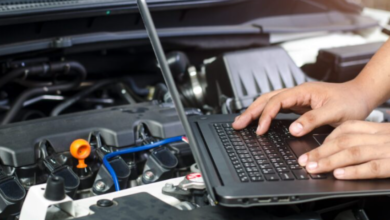
- Battery Isolator or DC-DC Charger – This component ensures that your starter battery remains fully charged while regulating current flow to the auxiliary battery. Modern DC-DC chargers are particularly effective for vehicles with smart alternators.
- Wiring and Fuses – Quality wiring and fuses are crucial for safety and efficiency, preventing voltage drops and electrical hazards.
- Monitoring System – Many setups include a digital display or Bluetooth monitor so you can track voltage levels and battery performance in real time.
Optional components such as solar panels, Anderson plugs, and inverters can further enhance functionality, especially for extended off-grid trips.
Choosing the Right System for Your Needs
When selecting a dual battery system, consider how you use your vehicle and what accessories you typically power. Weekend campers may need a smaller setup to run lights and a fridge, while long-distance tourers might require larger deep-cycle batteries and solar integration.
Battery size, installation location, and charging method are all important factors. Many 4×4 owners in Tweed Heads choose compact lithium batteries for their lightweight design and fast charging capabilities. Others prefer traditional AGM (Absorbent Glass Mat) batteries for their durability and lower upfront cost.
It is also worth consulting with a local auto electrician who specialises in off-road vehicles. They can design a system tailored to your setup, ensuring compatibility and safety.
Maintenance and Care
Once installed, a dual battery system requires minimal maintenance, but regular checks will help extend its life. Keep battery terminals clean and free from corrosion, and periodically inspect cables for wear or loose connections. If you use your 4×4 infrequently, consider using a battery charger to maintain charge levels when the vehicle is parked for long periods.
Testing the system before every major trip ensures everything operates correctly. Many modern setups include monitoring systems that provide alerts if the battery voltage drops too low.
Installation and Professional Advice
While some enthusiasts choose to install dual battery systems themselves, professional installation is highly recommended. Proper wiring, fuse placement, and battery isolation are critical for safety. An expert can ensure the system meets Australian electrical standards and performs reliably under all conditions.
Local specialists in Tweed Heads understand the specific challenges of the region, such as high humidity, salt air, and frequent off-road conditions. Their experience ensures your system is not only efficient but also built to withstand the coastal climate.
Final Thoughts
A dual battery system is one of the best upgrades any 4×4 owner can make, particularly for those who love exploring the scenic tracks and remote camping areas around Tweed Heads. It provides freedom, convenience, and peace of mind, ensuring your vehicle remains powered and ready for every adventure.
By investing in quality components, professional installation, and regular maintenance, you can enjoy a reliable power supply no matter where the road takes you. With the right setup, your next off-road journey will be as comfortable and self-sufficient as it is exciting.