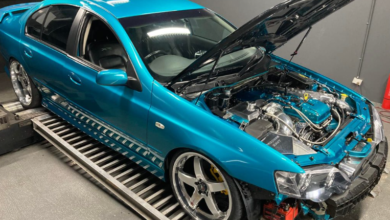
Every gleaming car finish you see is more than just color — it’s a carefully engineered, multi-layered protective system. Automotive paint technology combines chemistry, physics, and craftsmanship to deliver a mirror-like shine while protecting the paint from the environment. Understanding the science behind these layers is essential for anyone interested in car detailing, refinishing, or even car scratch repair sunshine coast services.
1. The Structure of Automotive Paint
A vehicle’s paint consists of multiple layers, each serving a specific purpose in both protection and aesthetics. The structure typically consists of:
- Substrate (Body Surface): The metal, plastic, or composite surface of the vehicle body. Proper surface preparation — cleaning, degreasing, and sanding — ensures strong adhesion for the layers above.
- Primer: Acting as the foundation, the primer provides corrosion resistance, smooths surface imperfections, and promotes adhesion between the substrate and the color coat. Modern primers are often epoxy- or urethane-based for durability.
- Base Coat (Color Layer): This layer gives the car its distinctive hue and depth. Base coats can be solid, metallic, or pearlescent, and they are applied in thin, even layers to achieve uniform color and coverage.
- Clear Coat: The outermost transparent layer, the clear coat protects the color coat from ultraviolet radiation, oxidation, and mechanical wear. It adds gloss, depth, and durability while serving as the first line of defense against scratches and fading.
Each layer interacts chemically and physically with the next to create a unified surface that looks beautiful while resisting environmental damage.
See also: Dive into Luxury: Why Pools Bundaberg Are the Heart of Outdoor Living
2. Chemistry and Technology Behind the Finish
Automotive coatings have evolved significantly over the past few decades. Early paints relied on simple lacquers that offered good shine but limited durability. Today’s formulations are highly sophisticated systems combining polymers, resins, pigments, and hardeners.
- Polyurethane and Urethane Systems: These are the standard for modern vehicles due to their excellent adhesion, UV resistance, and flexibility. They form a dense, cross-linked network that resists cracking and fading.
- Solvent vs. Waterborne Paints: Many manufacturers now use waterborne base coats for reduced environmental impact. They require precise humidity and temperature control during application to achieve the correct finish.
- Additives and UV Absorbers: Clear coats often contain UV stabilizers and absorbers that prevent sunlight from degrading the pigments beneath, extending the life of the color layer.
The curing process is equally important. Paints cure through chemical reactions, heat, or air-drying, forming molecular bonds that solidify the finish. The result is a coating that’s both flexible and incredibly resilient.
3. How Scratches Interact with Paint Layers
When a scratch occurs, it disrupts one or more of these layers. Understanding how deep the damage goes is key to determining the right repair method.
- Clear Coat Scratches: These are the most common and generally the easiest to fix. If the scratch disappears when wet, it usually affects only the clear coat. Polishing or light wet sanding can often restore the original gloss.
- Base Coat or Primer Damage: If the scratch exposes the primer or substrate, a touch-up or respray is required. These layers are crucial for adhesion and corrosion prevention, so restoring them ensures long-term protection.
- Through-to-Metal Damage: When scratches reach bare metal, oxidation can begin almost immediately. Immediate cleaning, priming, and repainting are essential to prevent rust.
In professional car scratch repair, technicians use specialized tools to measure paint thickness and identify the precise layer affected. This ensures repairs are both visually flawless and structurally sound.
4. The Role of Professional Technique
Professionals rely on a mix of art and science when working with automotive paint. Techniques such as wet sanding, polishing, and clear coat blending require precise control and knowledge of paint chemistry.
- Spectrophotometer Color Matching: This device analyzes the existing color and adjusts new paint formulas to match perfectly, accounting for any UV fading and oxidation.
- SMART (Small to Medium Area Repair Technique): This localized repair process isolates damage, feather-sands the area, and applies minimal material while maintaining factory-quality gloss.
- Heat-Assisted Curing: Controlled temperature helps harden the clear coat faster, ensuring long-term durability and a smooth finish.
These advanced techniques rely on a deep understanding of how paint layers respond to pressure, heat, and light — the essence of modern paint science.
5. Protecting the Paint System
Even after perfect repairs, ongoing care is crucial. Regular washing with pH-balanced products, avoiding abrasive cloths, and applying quality sealants or ceramic coatings can extend the life of the finish. Ceramic coatings, in particular, provide a hydrophobic barrier that resists water spots, contaminants, and UV degradation.
Maintaining your vehicle’s paint isn’t just about looks — it’s about preserving the structural integrity of the entire system. Whether it’s daily wear or occasional damage, the multilayered science behind automotive paint ensures your vehicle remains protected and beautiful for years to come.
Professionals who specialize in car scratch repair sunshine coast services understand this intricate balance between chemistry, physics, and craftsmanship, ensuring every repair not only restores appearance but maintains the engineered strength of the finish.